


The Connection Between Bedding and Health
In modern wellness culture, substantial attention is devoted to organic nutrition, exercise routines, stress management, and air purification. However, one of the most direct environmental factors influencing human health is frequently overlooked: the chemical purity and thermal performance of home textiles.
Given that adults spend approximately 240,000 hours over a lifetime sleeping, bedding represents the primary textile material in prolonged direct contact with human skin and respiratory systems. At HM53 Distributions, we advocate for a holistic view of home textiles—where aesthetic elegance is matched by chemical safety, breathability, and eco-friendly manufacturing practices. This article examines the physiological and environmental benefits of choosing sustainable, highly breathable bedding solutions.
Thermoregulation and the Physiology of Sleep
Human sleep architecture is governed by the body’s circadian rhythm, which relies on temperature fluctuations to signal sleep onset and maintain deep REM cycles.
       Core Body Temp (°C)
          37.0°C |-----------
                 |           \
          36.5°C |            \___ Target Sleep Zone (Core Cooling)
                 |                 \
          36.0°C +------------------\-------------------> Time
                 Bedtime            Deep REM Sleep
1. How Core Body Temperature Drops During Sleep
To fall asleep and remain in deep sleep, your core body temperature must drop by approximately 1°C (1.8°F). The body sheds excess thermal energy through vasodilation—expanding blood vessels in the skin, particularly in the hands and feet, to release heat into your immediate environment.
2. The Microclimate Trap of Synthetic Bedding
Your sheets and duvet create an immediate microclimate around your body:
-
Non-Breathable Fabrics (Polyester/Microfiber): Synthetic petroleum-derived fabrics act as thermal insulators and vapor barriers. They trap body heat and humidity under the covers, raising the microclimate temperature.
-
Physiological Impact: When heat cannot escape, core body temperature rises, triggering sweating and microscopic micro-arousals. Even if you do not wake up fully, these micro-arousals disrupt restorative deep sleep and REM cycles, leaving you feeling fatigued in the morning.
-
Natural Breathable Fabrics (Cotton, Linen, Tencel): Natural cellulose fibers feature porous micro-structures that allow heat to dissipate and moisture vapor to evaporate rapidly, maintaining a stable microclimate all night long.
Breathability Comparison Across Common Textiles
Understanding how different fabrics manage air and moisture helps hot sleepers select optimal bedding.
+--------------------+-----------------------+-----------------------+---------------------+
| Fabric Material    | Air Permeability      | Moisture Absorption   | Drying Speed        |
+--------------------+-----------------------+-----------------------+---------------------+
| Pure Flax Linen    | Exceptionally High    | High (Up to 20%)      | Fast                |
| Long-Staple Cotton | High (Percale weave)  | Moderate to High      | Moderate            |
| Tencel (Lyocell)   | High                  | Superior (50% > Cotton)| Fast               |
| Microfiber / Poly  | Very Low              | Low (Hydrophobic)     | Very Fast (Traps heat)|
+--------------------+-----------------------+-----------------------+---------------------+
-
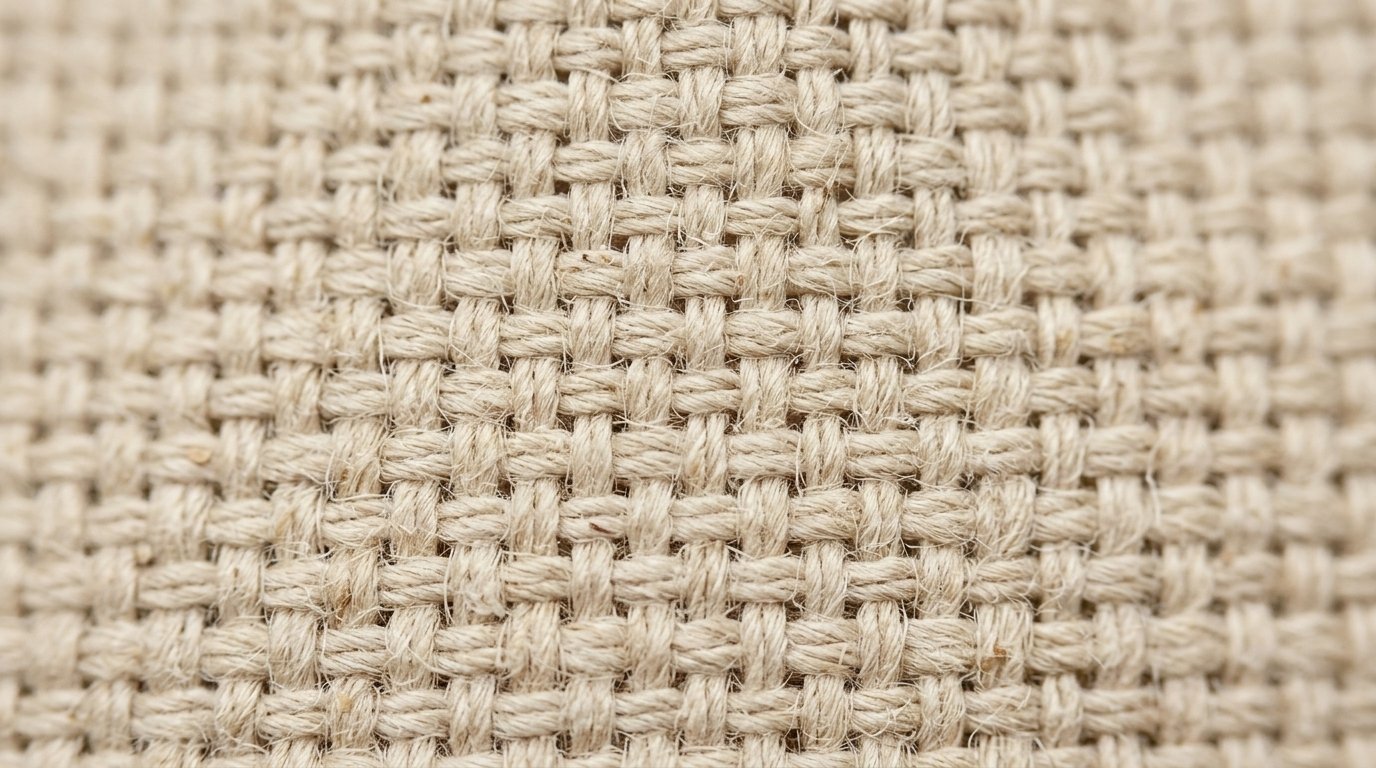
Linen: Known for its open weave structure, flax linen offers unmatched air circulation, making it ideal for hot sleepers and warm climates.
-
Long-Staple Cotton: Provides an optimal balance of soft comfort, air movement, and thermal adaptability across all four seasons.
-
Tencel: Excels at moisture absorption and transport, moving sweat away from the body to keep the microclimate dry and comfortable.
Dermatological Health and Hypoallergenic Properties
Skin is the human body’s largest organ, absorbing substances and reacting to friction, humidity, and chemical residue.
                   DERMATOLOGICAL RISK FACTORS

   Synthetic Fabrics / Harsh Dyes       Natural Breathable Textiles
   +----------------------------+       +----------------------------+
   | Trapped Sweat & Moisture   |       | Continuous Airflow         |
   | Chemical Residues          |       | Hypoallergenic Fibers      |
   | High Mechanical Friction   |       | Low Microscopic Friction   |
   +----------------------------+       +----------------------------+
                 |                                    |
                 v                                    v
     Acne, Eczema Flare-ups,              Calm, Balanced, & Healthy
     Dermatitis, & Irritation             Skin Barrier Function
1. Preventing Nighttime Eczema and Acne Flare-ups
Trapped sweat and heat create a moist environment where bacteria prosper, exacerbating conditions like facial acne (acne mechanically induced by friction and sweat) and body eczema.
-
Smooth Fibers: Long-staple cotton and Tencel present a smooth fabric surface that minimizes microscopic abrasion against delicate facial skin.
-
Moisture Management: Absorbing excess ambient sweat prevents skin pores from becoming clogged overnight.
2. Dust Mite Mitigation
Dust mites are microscopic organisms that feed on shed human skin cells and thrive in humid environments with relative moisture levels above 65%. They are a primary cause of indoor allergies, asthma attacks, and morning nasal congestion.
-
Synthetics: Hydrophobic synthetic bedding traps humidity against the mattress, creating ideal breeding conditions for dust mites.
-
Natural Textiles: Breathable linen and long-staple cotton dry out rapidly, lowering humidity levels within the bedding ensemble and discouraging dust mite colonization.
Chemical Purity and Ecological Sustainability
Choosing eco-friendly textiles protects both human health and natural ecosystems.
1. Avoiding Harmful Chemical Residues
Conventional low-grade textile manufacturing often uses chemical finishes—such as formaldehyde for wrinkle resistance, heavy metal dyes, and halogenated flame retardants. Over time, these volatile compounds can off-gas into your bedroom environment.
When purchasing bedding from HM53 Distributions, look for eco-friendly certifications that guarantee chemical purity:
-
OEKO-TEX® Standard 100: Certifies that every component of the product—from yarn to threads and buttons—has been rigorously tested and found free from dangerous levels of toxic chemicals.
-
GOTS (Global Organic Textile Standard): Ensures organic fiber sourcing alongside environmentally and socially responsible manufacturing practices throughout the supply chain.
       Raw Organic Harvest  -->  Non-Toxic Wet Processing  -->  Certified Pure Bedding
       (No Synthetic Pesticides)   (Closed-Loop Solvent/Dye)     (Safe for Human Contact)
2. The Environmental Footprint of Textile Choices
-
Microplastic Pollution: Washing synthetic polyester bedding releases thousands of non-biodegradable microplastic fibers into marine ecosystems per cycle. Natural cotton and linen textiles are 100% biodegradable, breaking down naturally at the end of their lifecycle without harming soil or waterways.
-
Closed-Loop Manufacturing: Materials like Tencel (Lyocell) utilize closed-loop production systems, recycling 99% of processing solvents and water, drastically reducing global environmental impact.
Summary Checklist: Choosing Healthy, Sustainable Bedding
Transitioning to healthy, eco-friendly textiles is a straightforward, impactful step toward a cleaner home environment.
-
[ ] Choose 100% natural, breathable fibers (Long-Staple Cotton, Linen, or Tencel) over petroleum-based synthetics.
-
[ ] Avoid chemically treated “wrinkle-free” synthetic sheets in favor of naturally soft woven materials.
-
[ ] Ensure products hold chemical safety certifications such as OEKO-TEX® Standard 100 or GOTS.
-
[ ] Opt for breathable fabrics to naturally regulate body temperature and prevent sweat buildup.
-
[ ] Protect skin health by selecting smooth, low-friction weaves (Sateen or Tencel) if prone to eczema or sensitive skin.
-
[ ] Support biodegradable, natural textiles to help reduce global microplastic pollution.
Invest in your health, sleep quality, and daily wellness with sustainable home textiles from HM53 Distributions.